
Business teams entering the Korean market
Product demos, sales calls, and partnership meetings delivered in English, heard live in Korean by the people actually deciding whether to work with you.
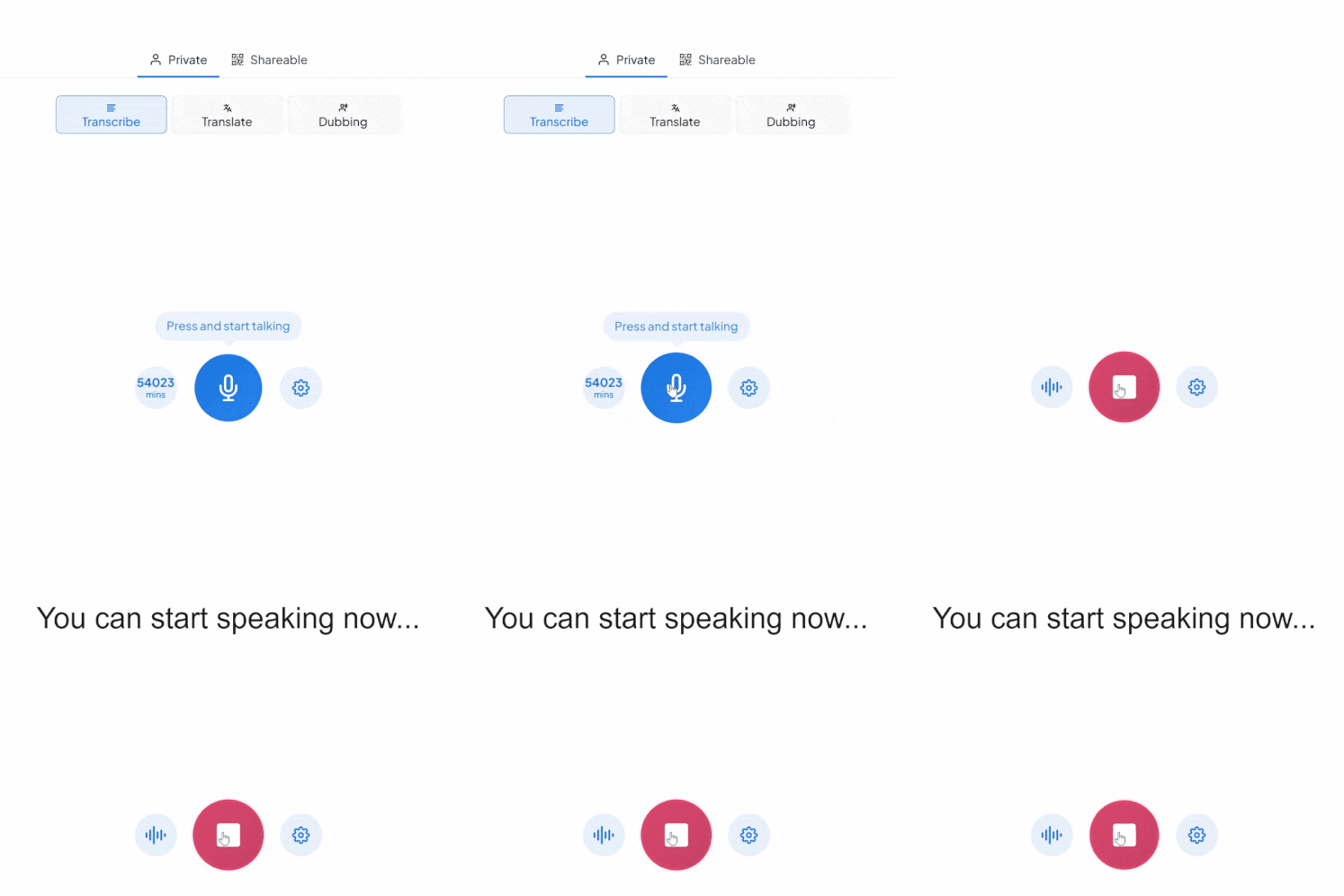
Speak English and the Korean follows live, read it as captions or hear it spoken aloud. Free to start.
The facts behind live English to Korean translation.
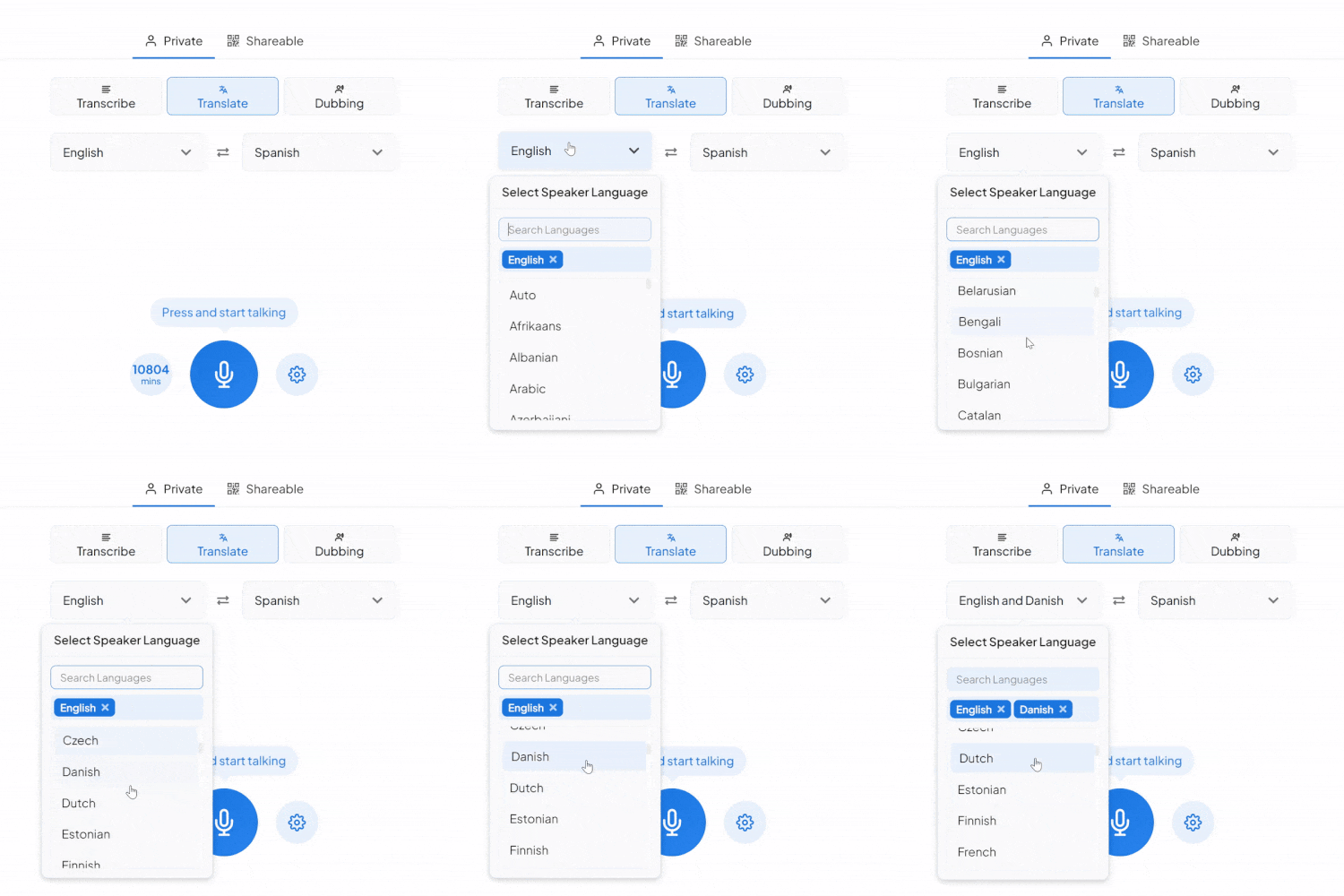
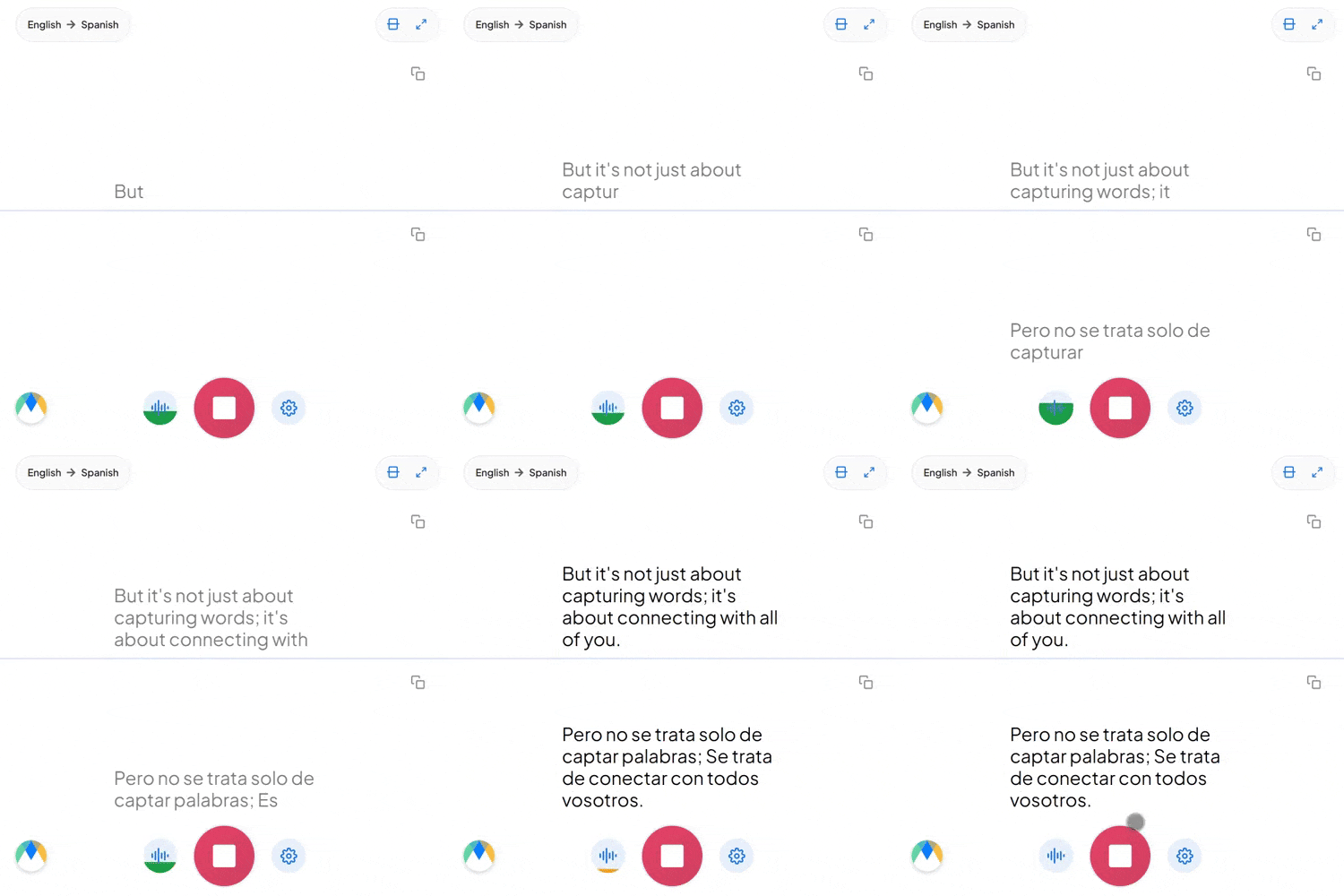
Korean bakes politeness into the verb ending itself, with more levels than a simple formal/informal split: 가? is blunt and casual, 가세요? is polite, 가십니까? is formally respectful, all three ask the same question. Picking the wrong level doesn't just sound stiff. It can sound rude.
Korean has two full numeral systems: native Korean numbers for counting objects and age, Sino-Korean numbers for dates, money, and phone numbers. The same quantity is a different word depending on what you're counting, and a dictionary term needs the right one.
"이 프로젝트 deadline을 sync 해야 될 것 같아요" drops English business terms straight into a Korean sentence, and that's ordinary speech in Korean tech and business settings. Expect embedded English terms to stay recognizable rather than get flattened.
Four settings that separate a rough session from a clean one.
Add names, product terms, and internal jargon before you start so they stay correct all session, instead of being guessed at differently each time.
Send a link and anyone joins your live session in their browser to hear the Korean translation as it happens, no account needed.
If more than English alone might come up on the way to Korean, auto-detect recognizes each language as it's spoken instead of locking you to one source.
Every segment links back to its timestamp in the editor, so a line you're unsure about is a quick replay away, not a full re-listen.
Product demos, sales calls, and partnership meetings delivered in English, heard live in Korean by the people actually deciding whether to work with you.
Orientation, advising, and family communications for Korean international students and their parents, where English is the default but not everyone's first language.

Cross-border production, licensing, and press calls between English-speaking teams and Korean partners, talent, or fans.

Conversations between English-speaking adoptees or families and Korean-speaking relatives, where every word carries more weight than an ordinary call.
Where English to Korean translation runs live, from investor calls to press rooms.

Board meetings and investor calls delivered in English for Korean-speaking stakeholders and partners.
Learn More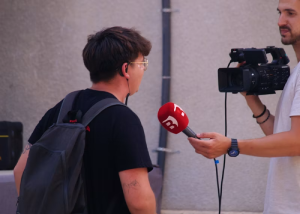
Press calls and production coordination between English-speaking teams and Korean entertainment or licensing partners.
Learn More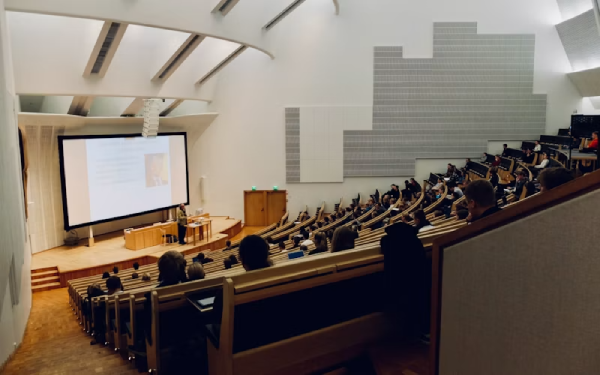
Orientation sessions delivered in English for Korean international students and their families.
Learn More
English and Korean speakers on the same call, each hearing the conversation in their own language as it happens.
Learn MoreConnect the meeting or streaming tool you run Korean sessions in, subscription required for live use.
Link your Zoom account to enable real-time English to Korean captions in meetings.
Learn MoreBring live English to Korean captions into Microsoft Teams meetings.
Learn MoreTurn your Google Meet call audio into live English to Korean captions.
Set up real-time English to Korean closed captioning in OBS Studio.
Learn MoreThere's no built-in confidence flagging. Instead, every word in the session is timestamped and highlights in sync as the audio plays, so you can review the Korean recording against the translation at your own pace.
Ordinary bilingual English and Korean speech doesn't need anything special. For a conversation that could switch between more than English before it reaches Korean, auto-detect recognizes each language as it comes up rather than requiring a manual reset.
Yes. Your English to Korean session opens in an editor afterward with the audio aligned to every line, ready to correct and export.
In the live view, speakers are separated by color and line breaks rather than name tags. Once the session is in the editor, speaker detection labels everyone, and the labels are renamable.
Yes. English to Korean translation is free to start, with no card or account required.
The output holds a steady polite register, and honorific vocabulary is applied where context makes it clear. For terms where the level matters, set the exact form in the custom dictionary and check the line in the editor.
Group sharing for English to Korean sessions needs a paid plan. The free plan covers live translation for your own session, not a shared link for others to join.
Korean's two number systems are part of the translation, and the editor is where to confirm a count that matters. Every line links to its audio, so checking a figure takes seconds.
Yes, switch to the Dubbing tab. Pick from Maestra's built-in Korean voices, or use voice cloning so the dubbed track still sounds like the original English speaker.