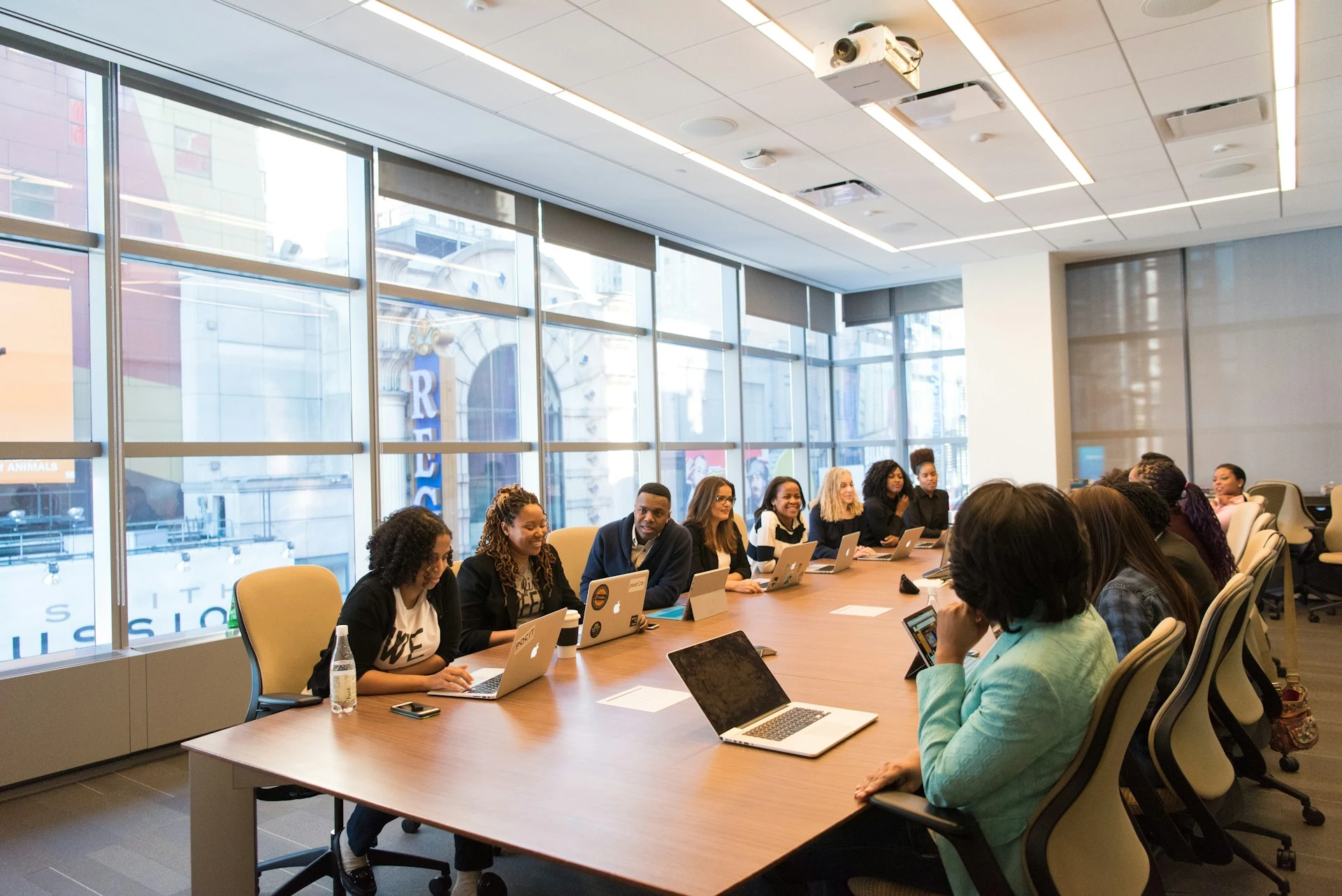
Business teams working with Afrikaans speakers
Buyers and partnership managers whose counterpart speaks Afrikaans, and who need the English before the call ends, not after.
Speak Afrikaans and hear it in English instantly, on calls, in meetings, or in person. Free to start.
What a session between these two languages comes with.
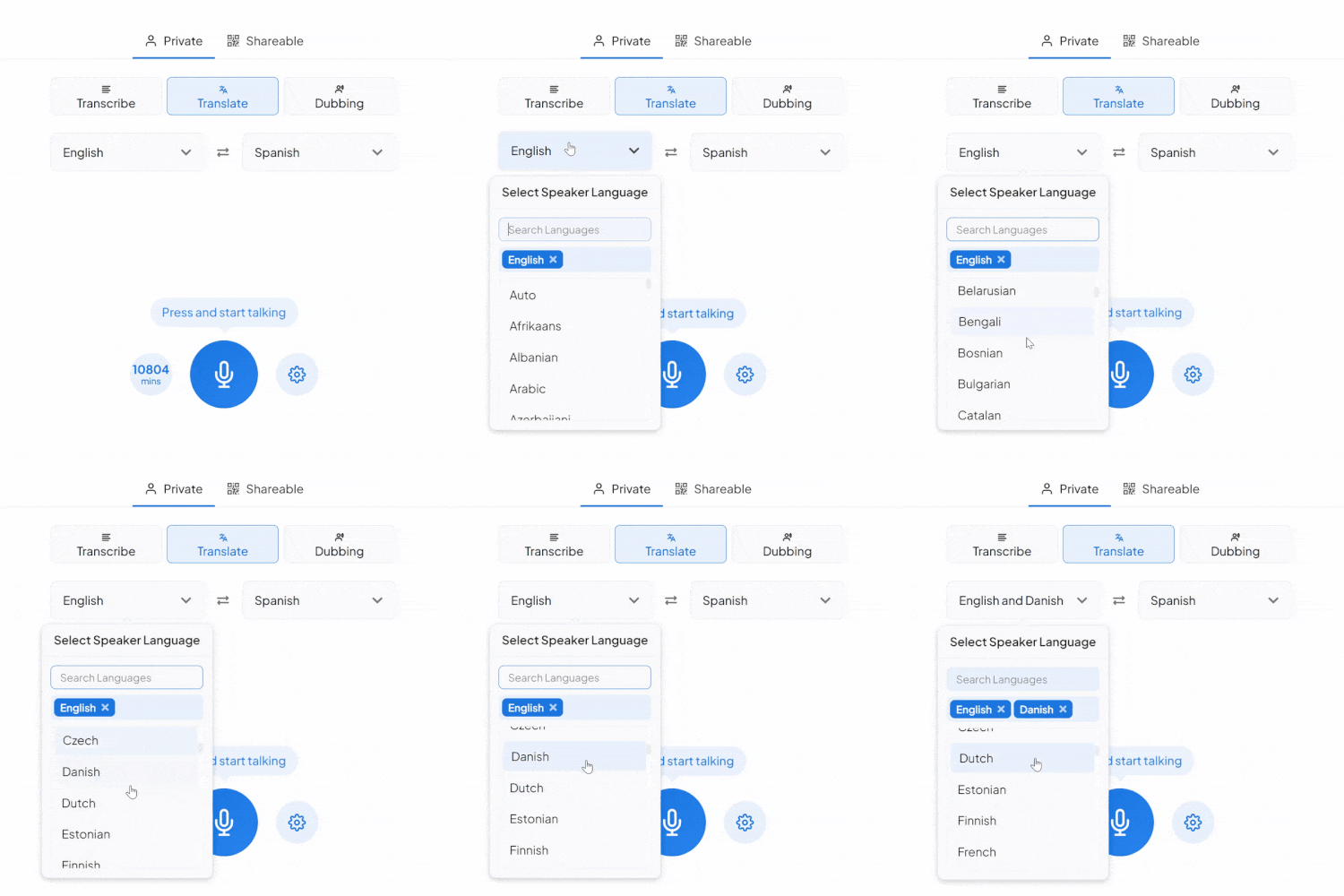
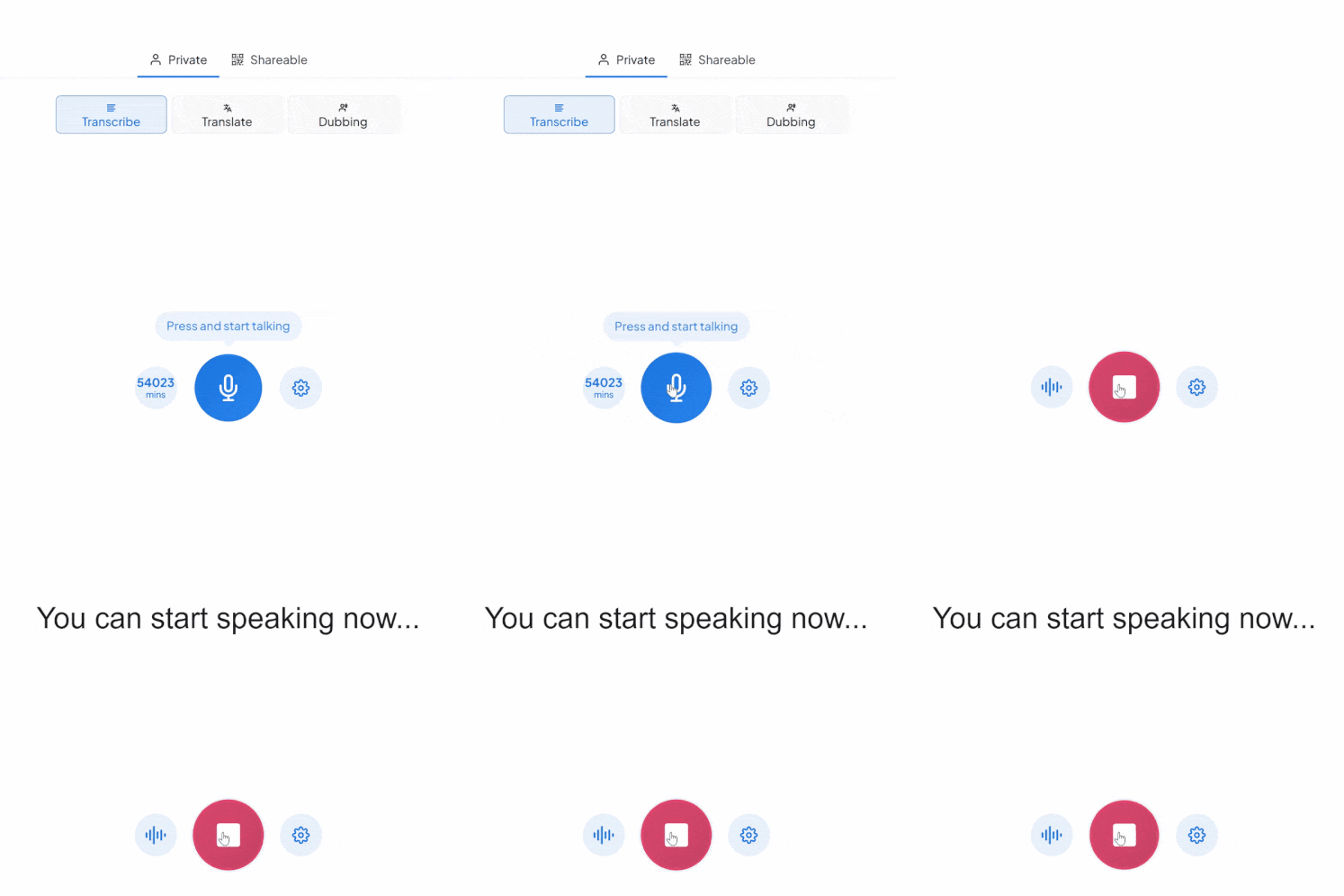
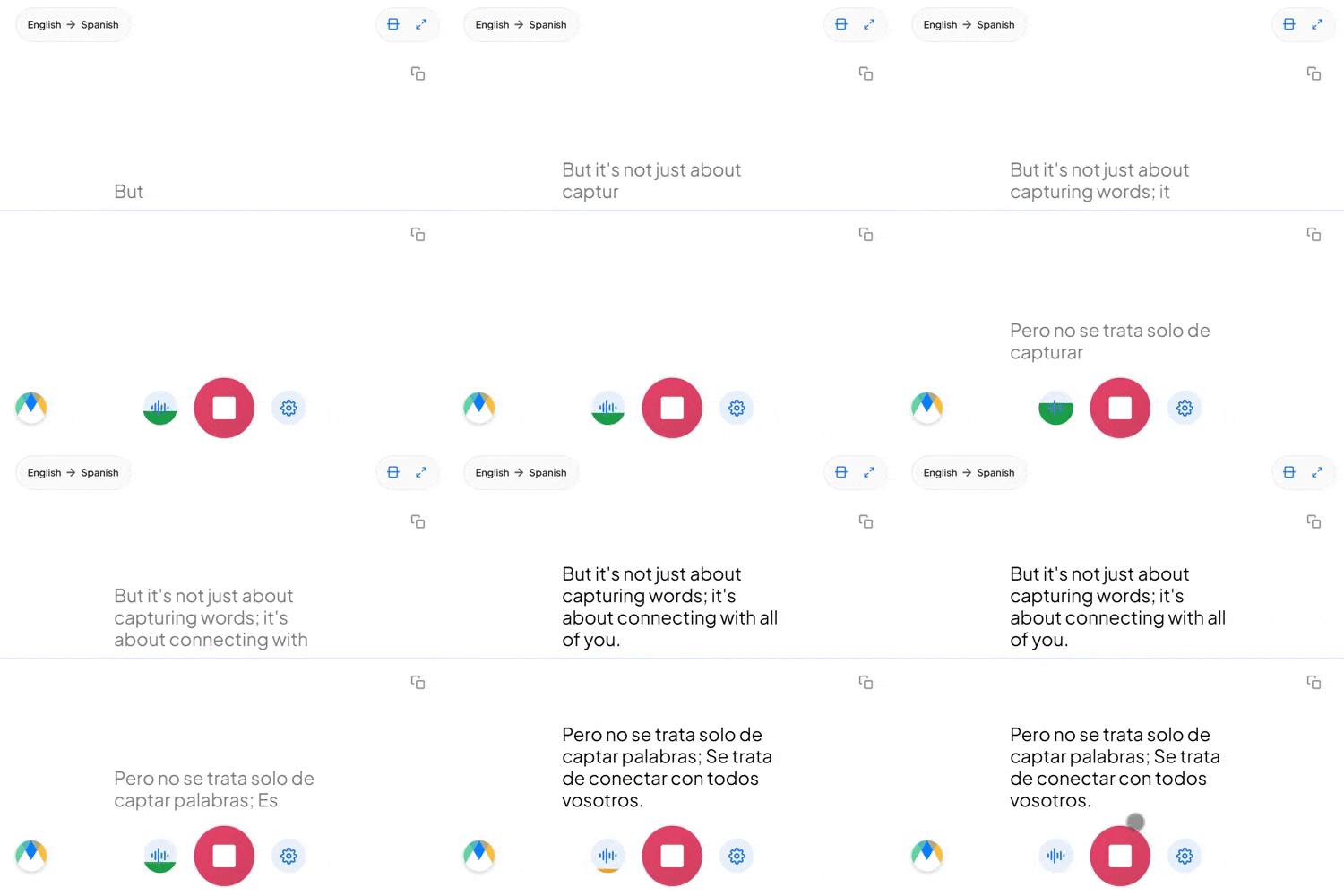
Four settings that separate a rough session from a clean one.
Add names, product terms, and internal jargon before you start, so the words you rely on don't come back as something close instead.
Send a link and anyone joins the live session in their browser, reading the translated captions or hearing the audio as it happens. No account needed on their end.
Pick the English voice and accent your translation will speak in, and slow the pacing down if the default is too fast. Accents include American, Australian, British, Indian, and more.
Once a session is over and saved, click any line of the transcript to hear the exact timestamped moment. No need to listen through everything again.
Buyers and partnership managers whose counterpart speaks Afrikaans, and who need the English before the call ends, not after.

English-speaking managers briefing Afrikaans-speaking crews, where an instruction has to land correctly the first time it is given.

Reporters interviewing Afrikaans speakers, who read the English as the answer comes, then jump to any line's timestamp to verify it.

Anyone following Afrikaans lectures in real-time English, with a timestamped transcript to revise from once the session is over.
Whatever the setting, the Afrikaans reaches its English-speaking audience live.

Expos, fairs, and conferences where sessions run in Afrikaans. Live captions and translated English audio in the room, no booth or headsets required.
Learn About Live Event Translation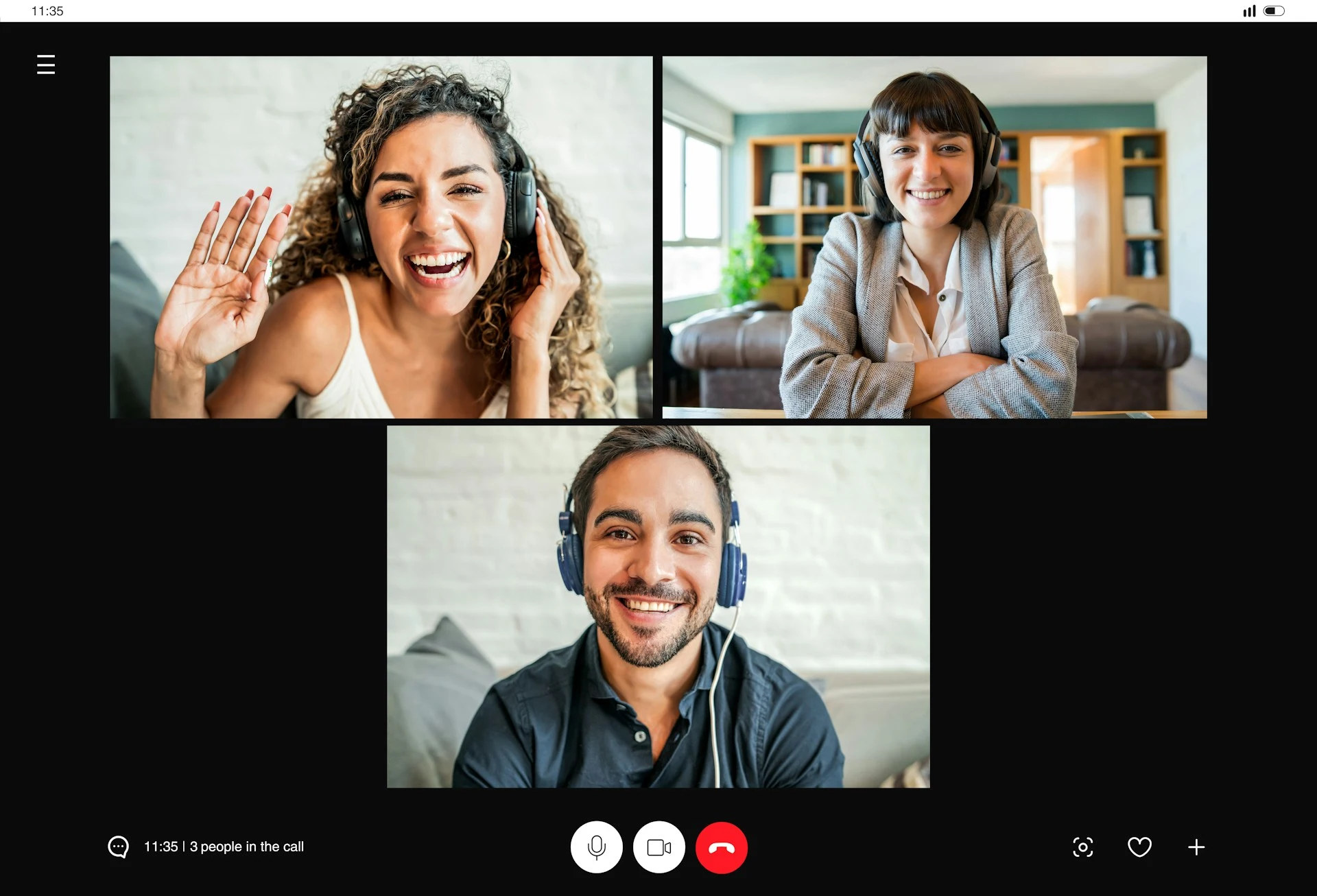
Internal meetings where Afrikaans-speaking colleagues are on the same call as English speakers. Everyone follows the discussion live in their own language.
Learn About Live Meeting Translation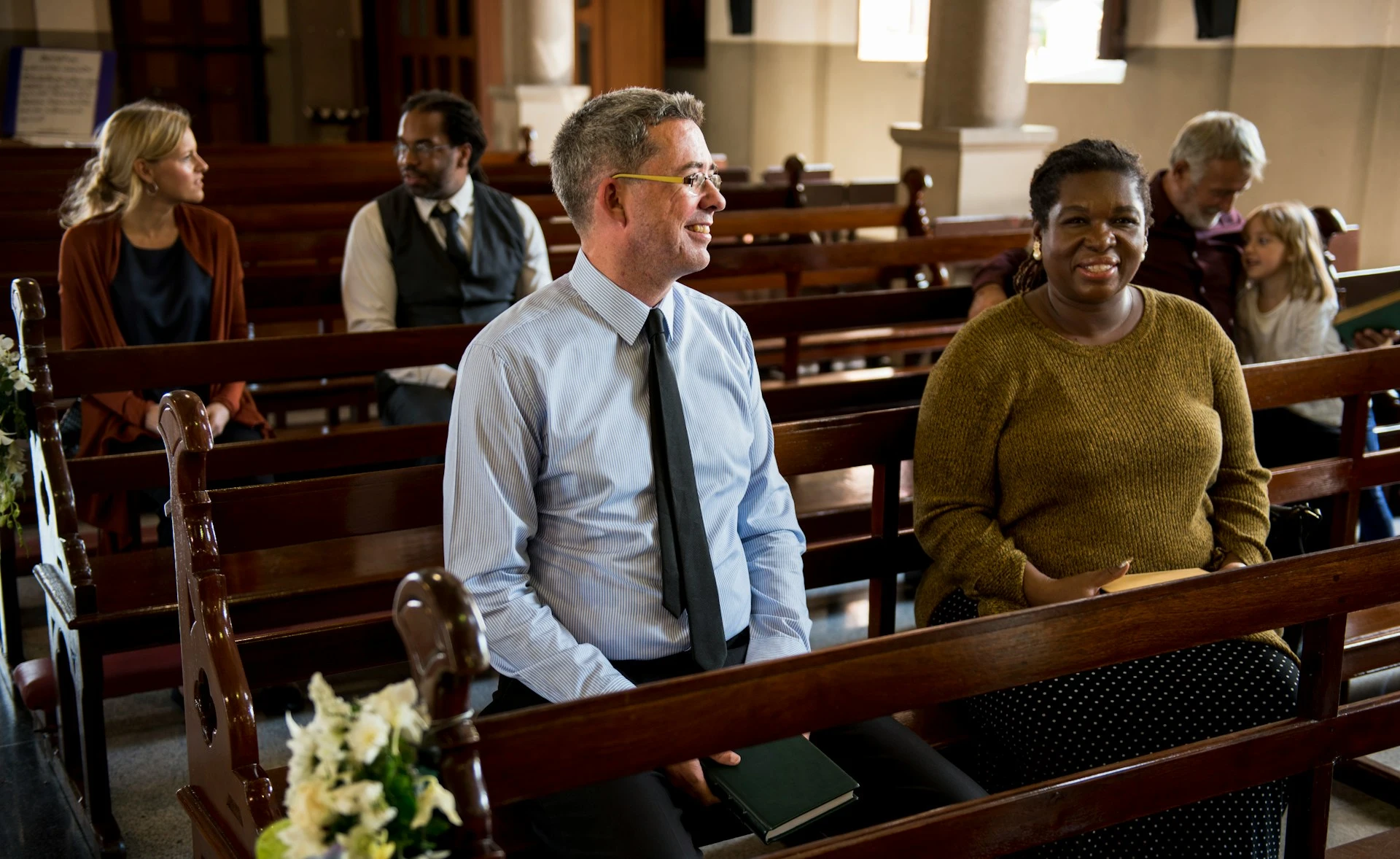
Church services and community gatherings translated live for English-speaking members, on their phone or through the room's audio.
Learn About Live Church Translation
Tours, lodges, and guesthouses hosting English-speaking visitors. Guests follow an Afrikaans-speaking guide or ask the front desk a question without needing someone to step in.
Learn About AI InterpretationEk gaan, jy gaan, hy gaan: "I go," "you go," "he goes" all use one verb form. The pronoun is the only marker of who is speaking, and it decides who the English sentence points to.
"Ek weet nie" means "I don't know." Longer sentences repeat nie at the end: "Ek weet nie waar hy is nie." Both belong to a single "not," and the English keeps it as one "not."
Dropping English nouns into an Afrikaans sentence is ordinary in South African professional and tech conversation. Those terms come through as spoken, not reworded.
From video calls to broadcast setups, live translation arrives in the tool you're already using.
Link your Zoom account to enable real-time Afrikaans to English captions in meetings.
Learn MoreBring live Afrikaans to English captions into your Microsoft Teams meetings.
Learn MoreCaption the audio during Google Meet calls and turn it into live Afrikaans to English captions.
Set up real-time Afrikaans to English closed captioning in OBS Studio.
Learn MoreSend live Afrikaans to English captions to vMix for broadcast productions.
Learn MoreSave the session and every segment links back to its audio timestamp, so you can check the specific moments you doubt instead of re-listening to the whole recording. For anything high-stakes, the full transcript can be reviewed in the editor afterwards.
Yes. Your Afrikaans to English session opens in an editor afterward with the audio aligned to every line, ready to correct and export.
Yes. One person starts the session and shares a link, and everyone else joins in their browser to read the captions or hear the translated audio, with no account needed on their end. Sharing a live session with others requires a paid plan.
Spoken English audio comes from Dubbing, a separate tab in the same tool. Pick an AI English voice for the dubbed audio, or turn on voice cloning to keep the original speaker's voice speaking English. Captions and dubbing can run together, so people can read, listen, or both.
Code-switching is normal in South African speech, especially with technical terms and product names. Set Afrikaans as the source and English words spoken mid-sentence come through as spoken, rather than being reshaped into the nearest Afrikaans sound. Adding those terms to the custom dictionary beforehand makes it more reliable, particularly for names your team uses often.
Yes. The translator is built for standard Afrikaans, the variety used in South African settings. It handles the ordinary range of speaker accents within that, and it recognizes the English terms that get mixed in. Heavily regional varieties are less predictable, so for those it's worth running a short test session first.
Yes. Speaker detection labels each person in the Afrikaans conversation (Speaker 1, Speaker 2, and so on) as it's translated into English, so a multi-person session stays readable instead of one run-on block of text.
It's free to start, with no card and no account required.

Checked against standard spoken Afrikaans, including real conversational audio with English business terms mixed in, not just clean studio clips.
Clear, single-speaker Afrikaans held up well across our testing, including common English product and technical terms once added to the dictionary.
Heavy regional accent variation is the most common source of error. The Pro engine performs better on this, though the difference is bigger with some accents than others, so it's worth a test session before deciding.