
Tour operators and hotel staff
Tours, front desks, and guest services where the conversation runs in Croatian and English-speaking visitors follow it as it happens.
Speak Croatian, get live English captions or a spoken English voice. Free to try.
What a session between these two languages comes with.
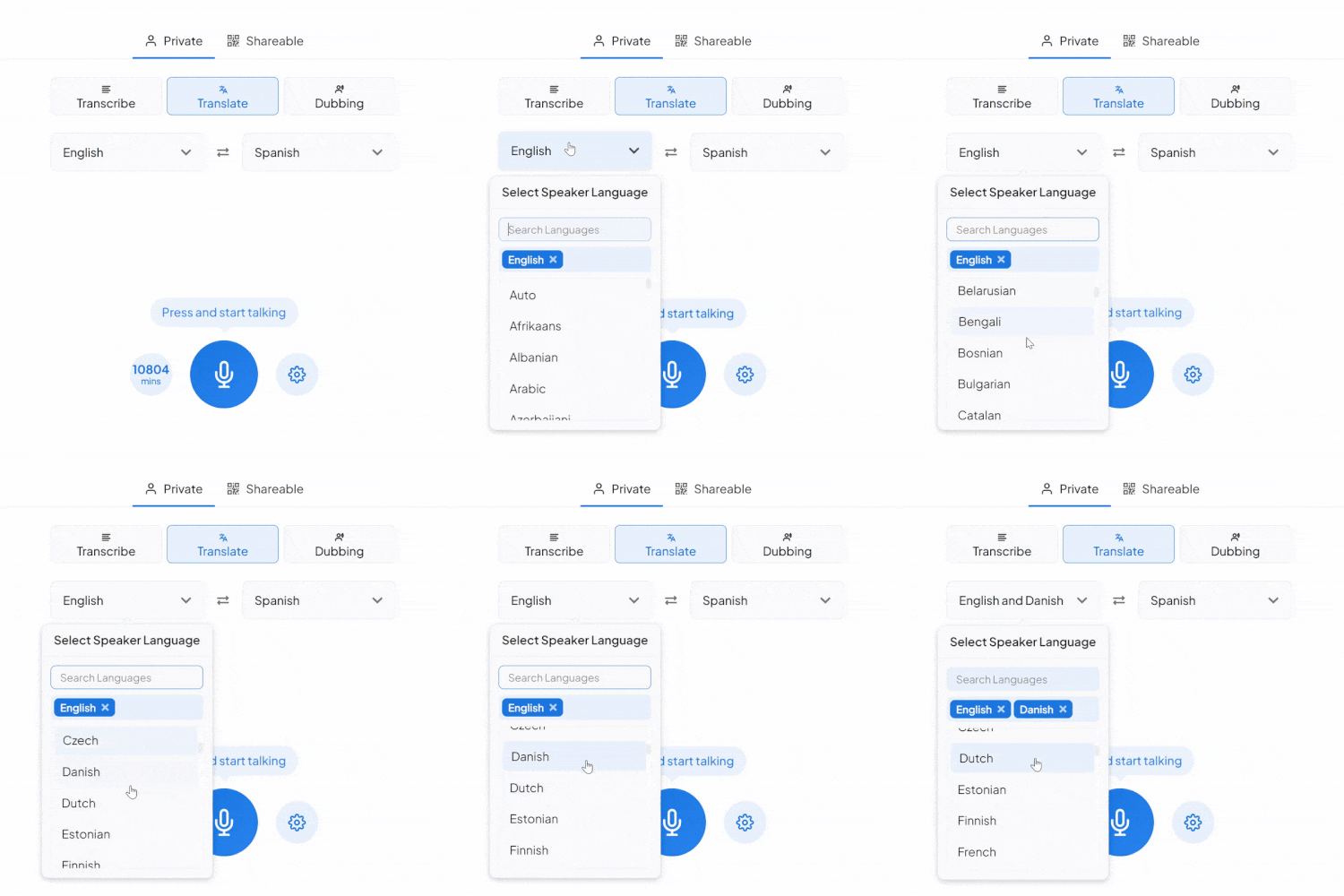
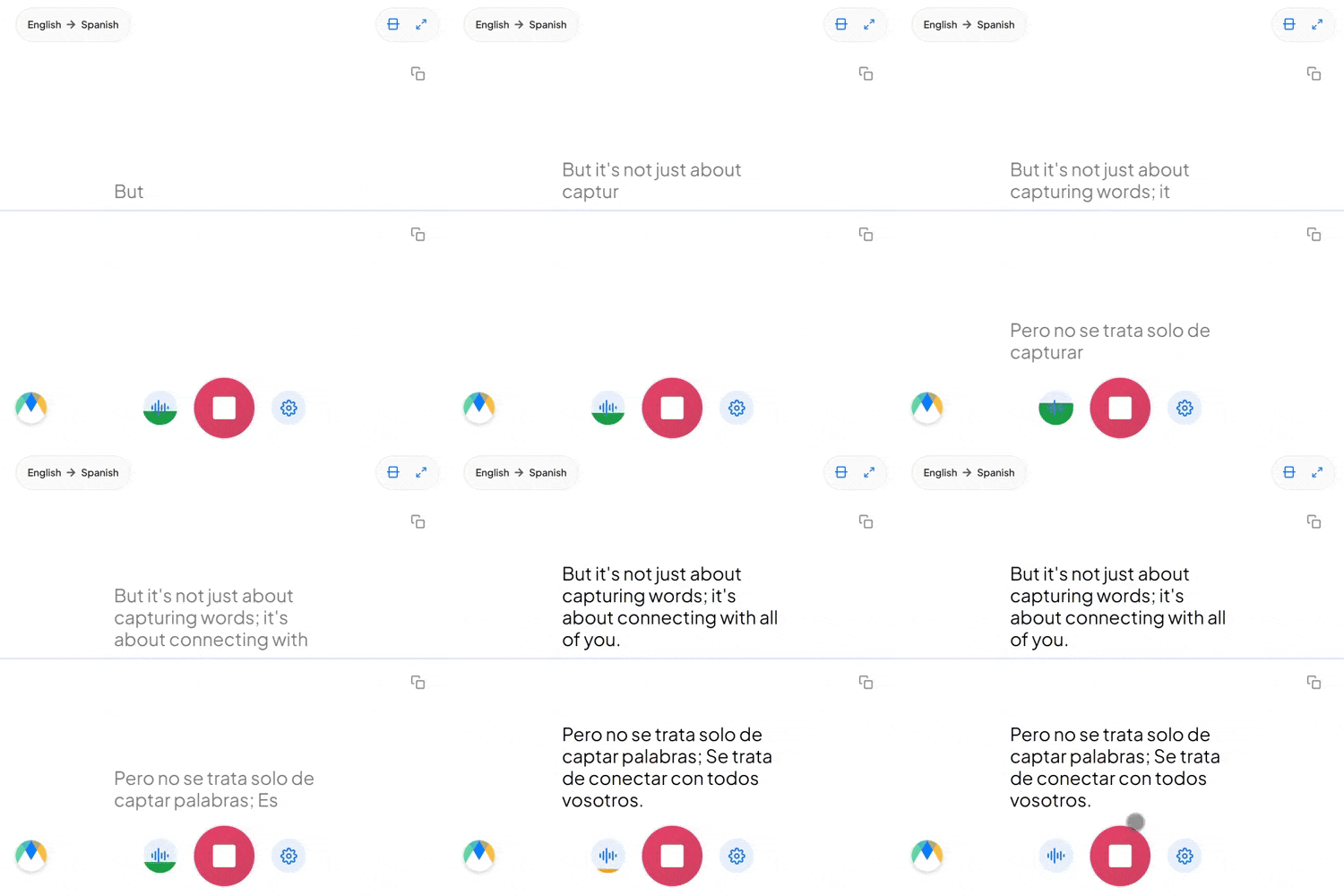
Grad means city, but it becomes grada, gradu, or gradom depending on its role in the sentence. English says "city" every time and uses prepositions and word order instead.
Croatian and Serbian speakers understand each other without translation. What separates them for a live tool is script and standardized vocabulary, not two unrelated grammars.
Dropping an English word into a Croatian sentence is ordinary in tech and tourism-industry conversation. Those terms come through as spoken, not reworded.
Four settings that separate a rough session from a clean one.
Add names, product terms, and internal jargon before you start, so the words you rely on don't come back as something close instead.
Send a link and anyone joins the live session in their browser, reading the translated captions or hearing the audio as it happens. No account needed on their end.
If more than Croatian might come up in the same conversation, auto-detect picks up each language as it's spoken instead of locking the session to one source.
Once a session is over and saved, click any line of the transcript to hear the exact timestamped moment. No need to listen through everything again.
Tours, front desks, and guest services where the conversation runs in Croatian and English-speaking visitors follow it as it happens.
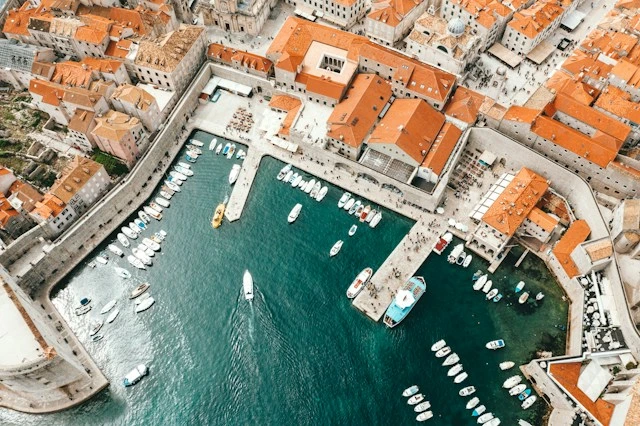
Port calls, charter briefings, and crew coordination along the Adriatic, where an instruction has to be understood the first time.

Meetings, negotiations, and compliance calls held in Croatian, with English-speaking colleagues reading or listening on their own devices.

Reporters interviewing Croatian speakers, who read or listen to the English as the answer comes and can check any line against the audio later.
Whatever the setting, the Croatian reaches its English-speaking audience live.

Courses, workshops, and safety briefings delivered in Croatian, with everyone else reading or listening in English.
Learn About Live Training Translation
Launches, expos, and awards nights with Croatian on stage, followed in English in the room or on each attendee's phone.
Learn About Live Event Translation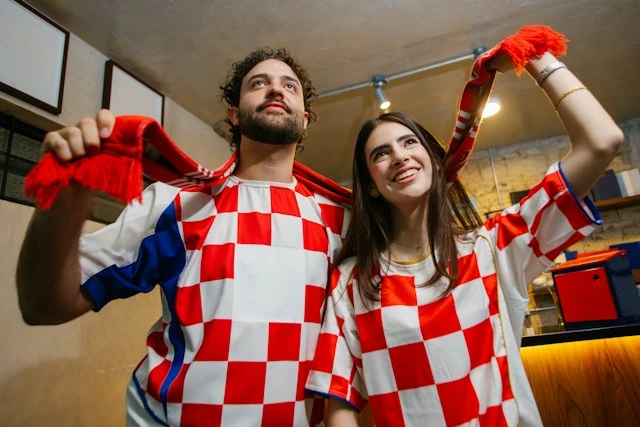
Live commentary and post-match interviews in Croatian, delivered in English as captions or spoken audio for the audience.
Learn About Live Sports Translation
Council meetings and public consultations where a Croatian-speaking resident speaks and staff hear the English as it's said.
Learn About Live Government TranslationFrom video calls to broadcast setups, live translation arrives in the tool you're already using.
Link your Zoom account to enable real-time Croatian to English captions in meetings.
Learn MoreBring live Croatian to English captions into your Microsoft Teams meetings.
Learn MoreCaption the audio during Google Meet calls and turn it into live Croatian to English captions.
Set up real-time Croatian to English closed captioning in OBS Studio.
Learn MoreSend live Croatian to English captions to vMix for broadcast productions.
Learn MoreSave the session and every segment links back to its audio timestamp, so you can check the specific moments you doubt instead of re-listening to the whole recording. For anything high-stakes, the full transcript can be reviewed in the editor afterwards.
Yes. Serbian and Bosnian are separate source language options, so pick the one your speaker is using rather than Croatian. Both translate into English and over 125 other languages.
Dropping English words into a Croatian sentence is ordinary in tech and business speech, and those terms come through as spoken rather than reworded. If a session is likely to move between the two languages more heavily, auto-detect picks up each one as it's spoken.
Yes. Each speaker gets their own line in their own color as the session runs, so the transcript stays readable when people talk over one another. In the editor afterwards, speaker detection adds labels (Speaker 1, Speaker 2, and so on) that you can rename.
Spoken English audio comes from Dubbing, a separate tab in the same tool. Pick an AI English voice for the dubbed audio, or turn on voice cloning to keep the original speaker's voice speaking English. Captions and dubbing can run together, so people can read, listen, or both.
It's free to try, with no card and no account required.
Yes. The translator is built for standard Croatian, the variety used in business, broadcast, and everyday conversation. A short test session is the quickest way to see how it handles your own speakers.
Yes. Croatian changes a word's ending to show its role in the sentence: grad, grada, and gradu are one word in different forms. English uses prepositions and word order for that instead, and the translation comes out in English's way, not Croatian's.
Yes. Your Croatian to English session opens in an editor afterward with the audio aligned to every line, ready to correct and export.
Yes. One person starts the session and shares a link, and everyone else joins in their browser to read the captions or hear the translated audio, with no account needed on their end. Sharing a live session with others requires a paid plan.
The live Croatian to English voice translator offers nineteen regional English accents, including American, British, Australian, Indian, and more. You pick the voice and accent when you set up real-time dubbing.