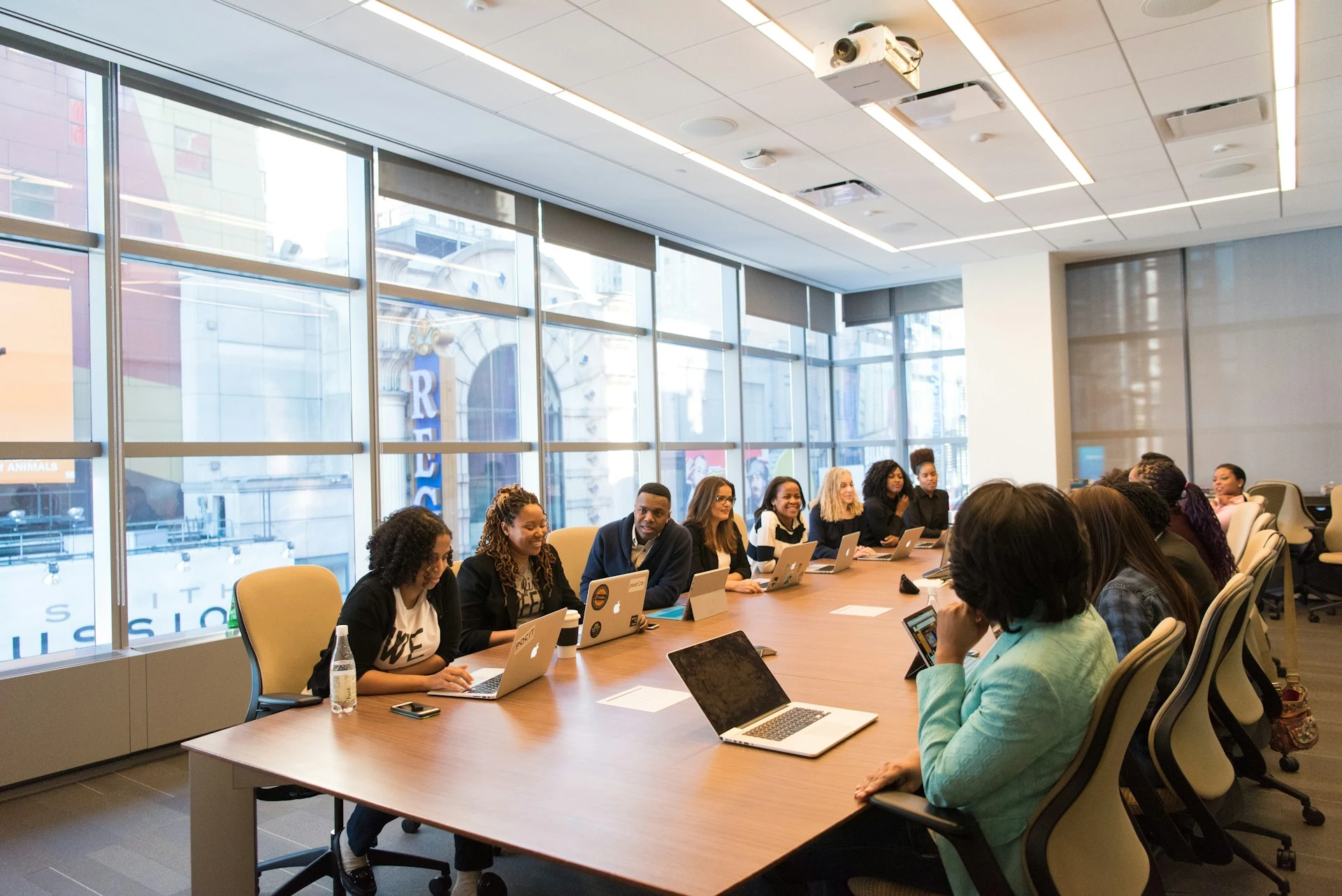
Business teams working with Ethiopian partners
Teams working with Ethiopian suppliers, partners, or clients, where the call runs in Amharic and the English has to arrive during it.
Pick Amharic and English, tap the mic, and start talking. The translation appears live on screen, right in your browser. Free to try.
Four things that are actually true of this language pair.
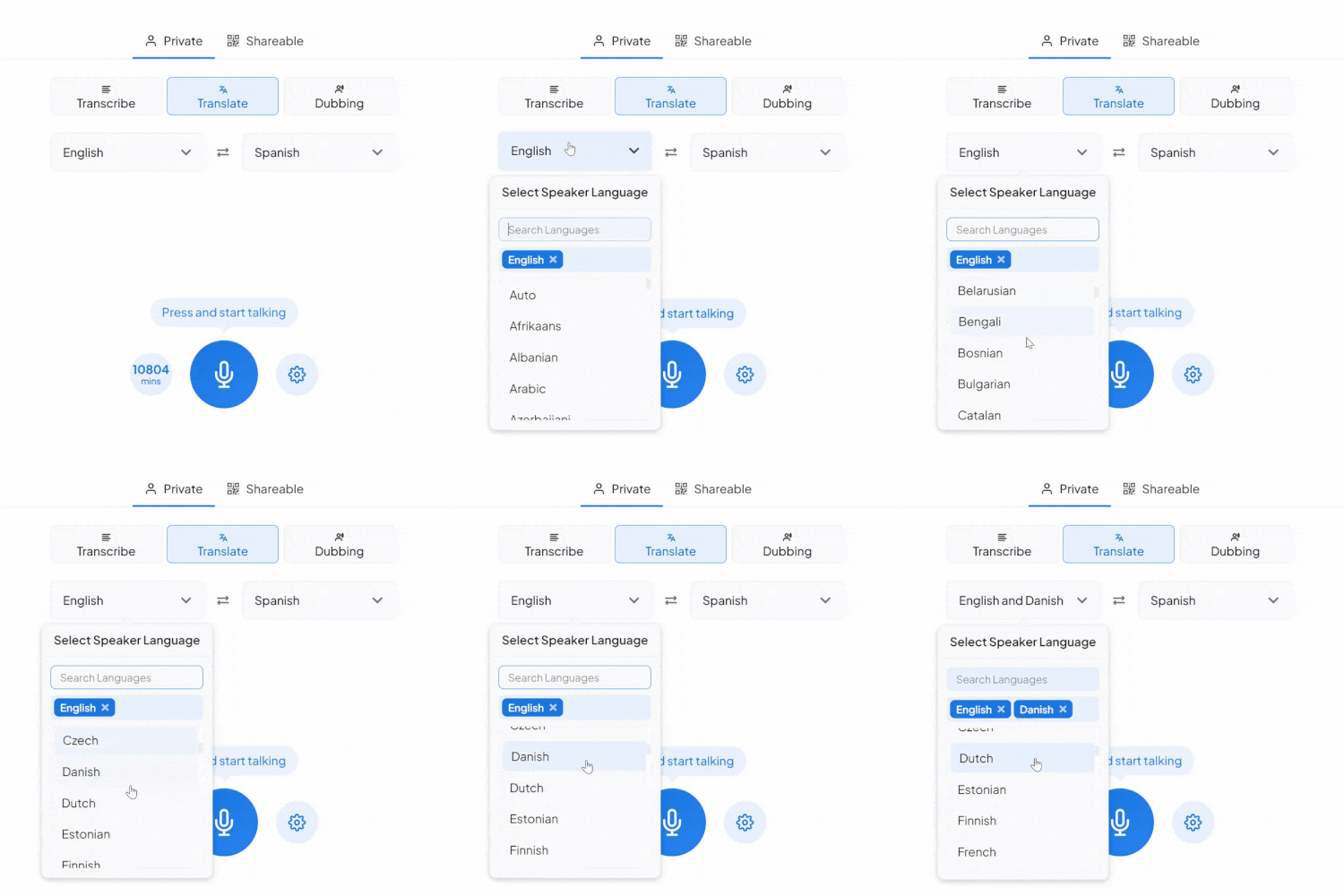
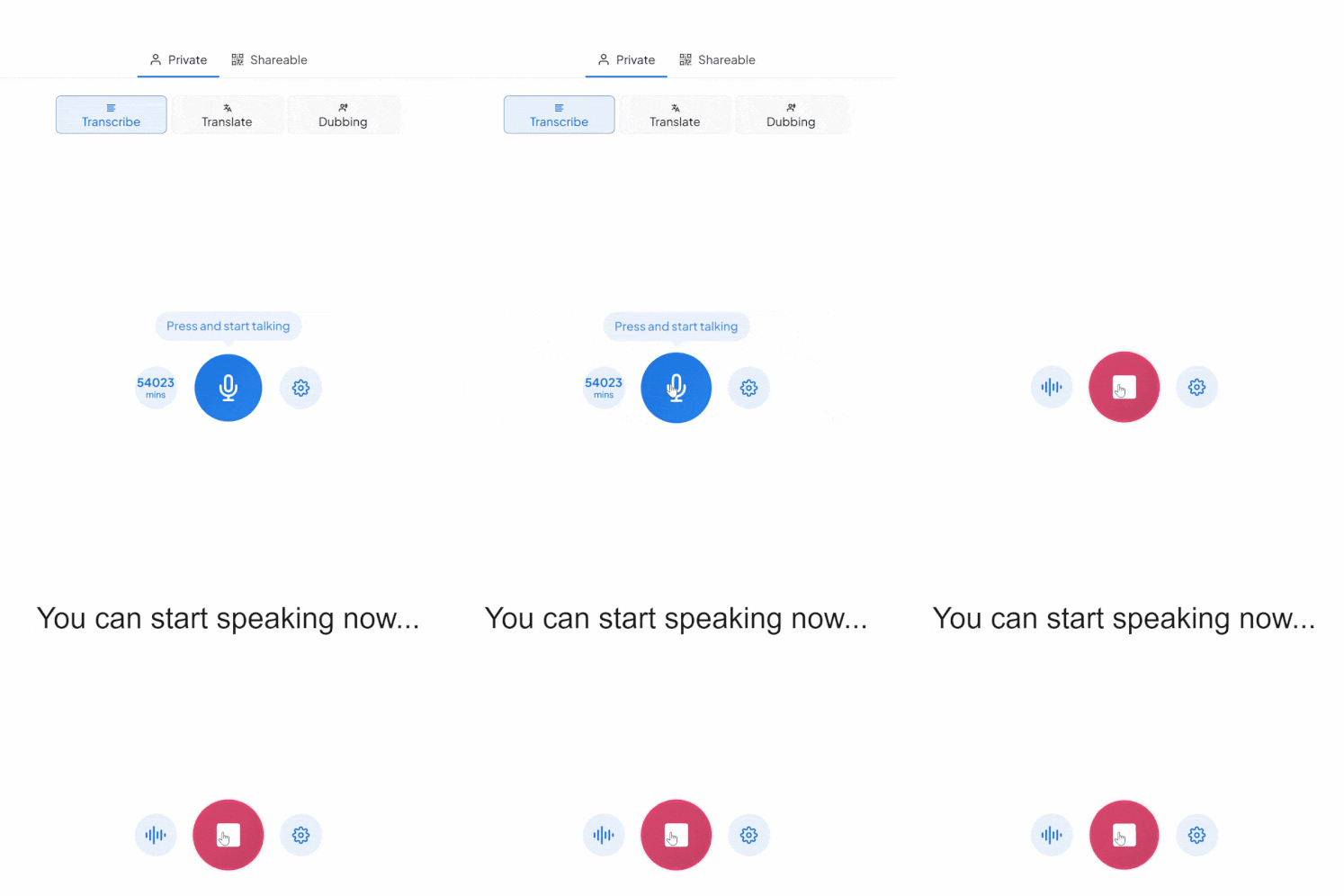
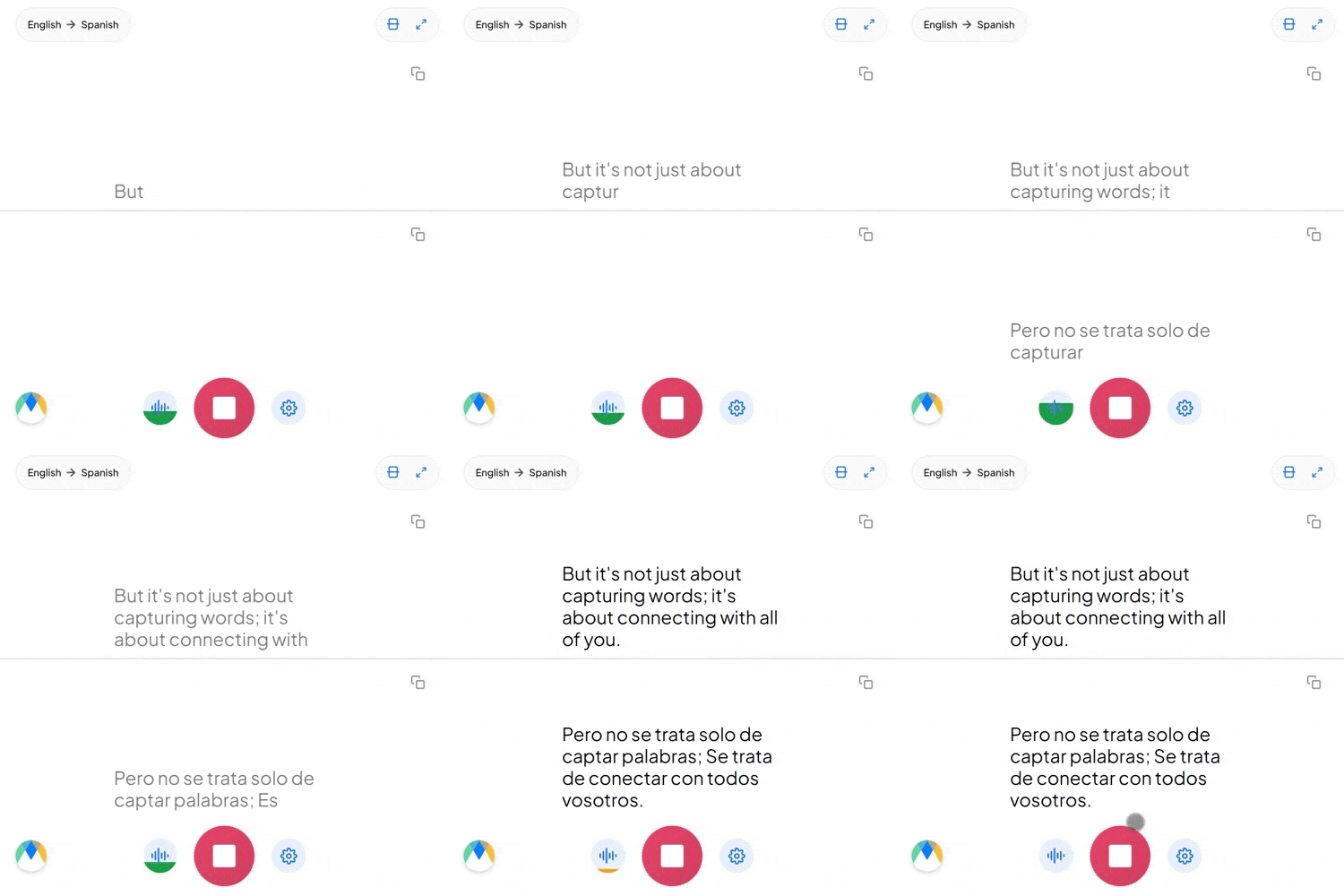
Four settings that separate a rough session from a clean one.
Add names, product terms, and internal jargon before you start, so the words you rely on don't come back as something close instead.
Send a link and anyone joins the live session in their browser, reading the translated captions or hearing the audio as it happens. No account needed on their end.
If more than Amharic might come up in the same conversation, auto-detect picks up each language as it's spoken instead of locking the session to one source.
Once a session is over and saved, click any line of the transcript to hear the exact timestamped moment. No need to listen through everything again.
Teams working with Ethiopian suppliers, partners, or clients, where the call runs in Amharic and the English has to arrive during it.

Field staff running briefings and community meetings in Amharic, whose English-speaking colleagues follow the discussion as it happens.

Reporters interviewing Amharic speakers, who follow the English as the answer comes and can check any line against the audio afterwards.
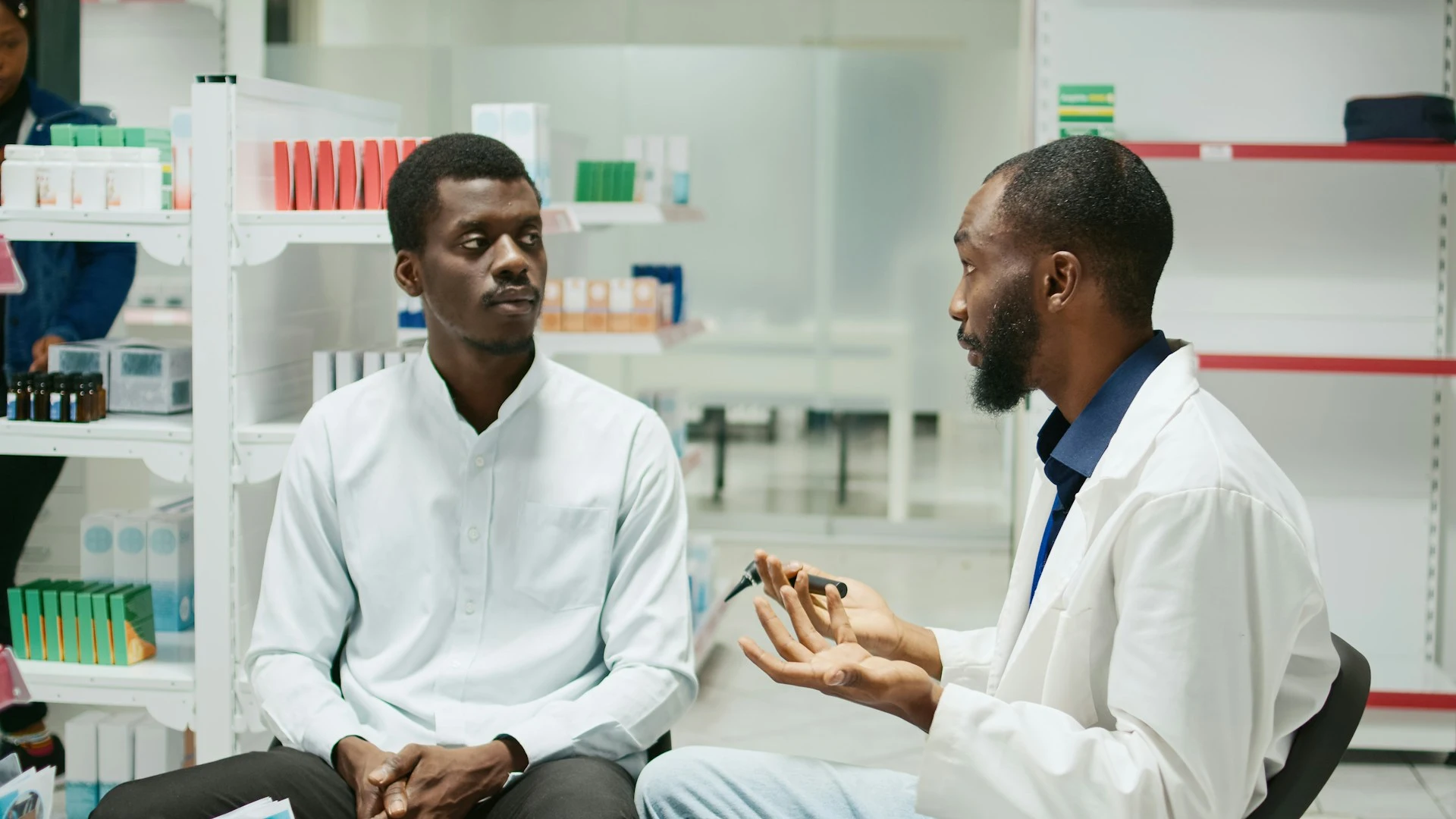
Staff handling intake, benefits, or medical appointments with Amharic-speaking clients, where the whole conversation has to be right the first time.
Whatever the setting, the Amharic reaches its English-speaking audience live.

Keynotes, panels, and Q&A delivered in Amharic. Attendees follow the English on their own phones or read captions on the room screens, with no interpreter booth to set up.
Learn About Live Conference Translation
Internal meetings where Amharic-speaking colleagues are on the same call as English speakers. Everyone follows the discussion live in their own language.
Learn About Live Meeting Translation
Church services and community gatherings translated live for English-speaking members, on their phone or through the room's audio.
Learn About Live Church Translation
Public meetings, hearings, and constituent appointments where an Amharic-speaking resident speaks and staff hear the English as it's said.
Learn About Live Government TranslationAmharic uses the Ge'ez abugida, or fidel, where each character stands for a consonant and vowel together. Speech is matched against those characters, not against a Latin spelling of how the word sounds.
Amharic puts the verb at the end: ኢትዮጵያ ሄድኩ is "I went to Ethiopia," but arrives as "Ethiopia went-I." The sentence isn't settled until the final word, so the English has to wait for it rather than translating in order.
Addressing an elder or a senior colleague often takes a plural verb form, even when one person is meant. That plural marks respect rather than number, and the English keeps it singular.
From video calls to broadcast setups, live translation arrives in the tool you're already using.
Link your Zoom account to enable real-time Amharic to English captions in meetings.
Learn MoreBring live Amharic to English captions into your Microsoft Teams meetings.
Learn MoreCaption the audio during Google Meet calls and turn it into live Amharic to English captions.
Set up real-time Amharic to English closed captioning in OBS Studio.
Learn MoreSend live Amharic to English captions to vMix for broadcast productions.
Learn MoreSave the session and every segment links back to its audio timestamp, so you can check the specific moments you doubt instead of re-listening to the whole recording. For anything high-stakes, the full transcript can be reviewed in the editor afterwards.
Yes. Amharic is subject-object-verb, so "I saw the client" is spoken as "I the-client saw." The English is reordered rather than mapped word for word. Because the verb comes last, longer sentences settle a moment after the speaker finishes them.
The live voice translator uses standard Amharic. There are no separate accent or regional options to choose from on the Amharic side. For English, you can pick from accents including American, Australian, British, Indian, and more.
Yes. Speaker detection labels each person in the Amharic conversation (Speaker 1, Speaker 2, and so on) as it's translated into English, so a multi-person session stays readable instead of one run-on block of text.
It's free to start, with no card and no account required.
Amharic is written in Fidel, the Ge'ez script, and the transcript keeps it that way rather than romanizing it. An Amharic-speaking colleague can read and correct the source directly while the English sits alongside it.
Yes. Your Amharic to English session opens in an editor afterward with the audio aligned to every line, ready to correct and export.
Yes. One person starts the session and shares a link, and everyone else joins in their browser to read the captions or hear the translated audio, with no account needed on their end. Sharing a live session with others requires a paid plan.
Spoken English audio comes from Dubbing, a separate tab in the same tool. Pick an AI English voice for the dubbed audio, or turn on voice cloning to keep the original speaker's voice speaking English. Captions and dubbing can run together, so people can read, listen, or both.

Checked against standard spoken Amharic, including real conversational audio with English business terms mixed in, not just clean studio clips.
Clear, single-speaker Amharic held up well across our testing, including correct sentence reordering into natural English.
Overlapping speakers and heavy regional accent variation are the most common source of errors. Budget extra review time if your session audio has crosstalk. Upgrading to a paid plan swaps in the Pro engine, which is tuned to handle exactly this kind of Amharic audio with far fewer mistakes.